Reconstruction
Construction & building materials
Cement, steel, finishing materials and prefabricated systems for large-scale housing rebuilds.

 Profile content in preparation
A rebuilding market with deep craft traditions.
One of the oldest continuously inhabited civilizations on earth, with a long manufacturing tradition and an enormous long-term reconstruction agenda.
Statistics year: Latest verified estimates predate 2024
Syrian national accounts have not been reliably published for several years. No GDP or growth figures are presented here because verified current data is unavailable; only structural and sectoral information is shown.
Syria's economy was historically built on agriculture, textiles, food processing, soap and craft manufacturing — sectors with centuries of accumulated expertise.
Reconstruction needs span housing, power, water, healthcare and transport, representing one of the largest long-term rebuilding agendas in the region.
A large Syrian diaspora in the United States and Canada maintains commercial ties and is expected to play a central role in future investment.
Syria's productive base centres on farming and light manufacturing, with reconstruction the defining economic activity of the coming decades.
Among the highest in the Arab world
Long-term international estimates
A very young workforce
Countries reached by Syrian goods
Areas where Syrian producers and diaspora investors expect international engagement as conditions allow.
Cement, steel, finishing materials and prefabricated systems for large-scale housing rebuilds.
Restoring wheat, cotton, olive and fruit production with modern irrigation and machinery.
Olive oil, dried fruit, confectionery and preserves with established export recipes and brands.
Cotton spinning, weaving and garment manufacturing with a deep skilled labour base.
A domestic generics industry that historically supplied much of the national market.
Generation, transmission and municipal water restoration across major cities.
Recovery planning prioritises housing, essential services, agriculture and the restoration of light industry and export capacity.
Economic output and industrial capacity contract sharply.
Syrian communities abroad expand humanitarian and commercial support networks.
Renewed international focus on housing, utilities and agricultural recovery.
Restored industrial and agricultural output with re-established export markets.
The categories of work that will define Syrian procurement for decades.
Large-scale residential reconstruction in Aleppo, Homs, Damascus suburbs and other cities.
Rebuilding generating capacity and transmission networks nationwide.
Municipal treatment plants and distribution networks serving major population centres.
Irrigation rehabilitation, seed supply and mechanization across the northeast and Orontes basin.
Syrian goods have historically reached North America through diaspora importers, particularly in specialty foods, textiles and handicrafts.
Verified full-year bilateral merchandise trade between Syria and the United States, reported from Syria's perspective.
Latest verified data available
Recorded goods trade between Syria and the United States is minimal, constrained by sanctions and years of conflict. Flows are dominated by humanitarian, food and medical categories rather than commercial trade.
Latest verified data available; figures are very small and affected by sanctions and conflict-related reporting gaps. These figures represent merchandise trade only and do not include services.
Statistical year: 2024
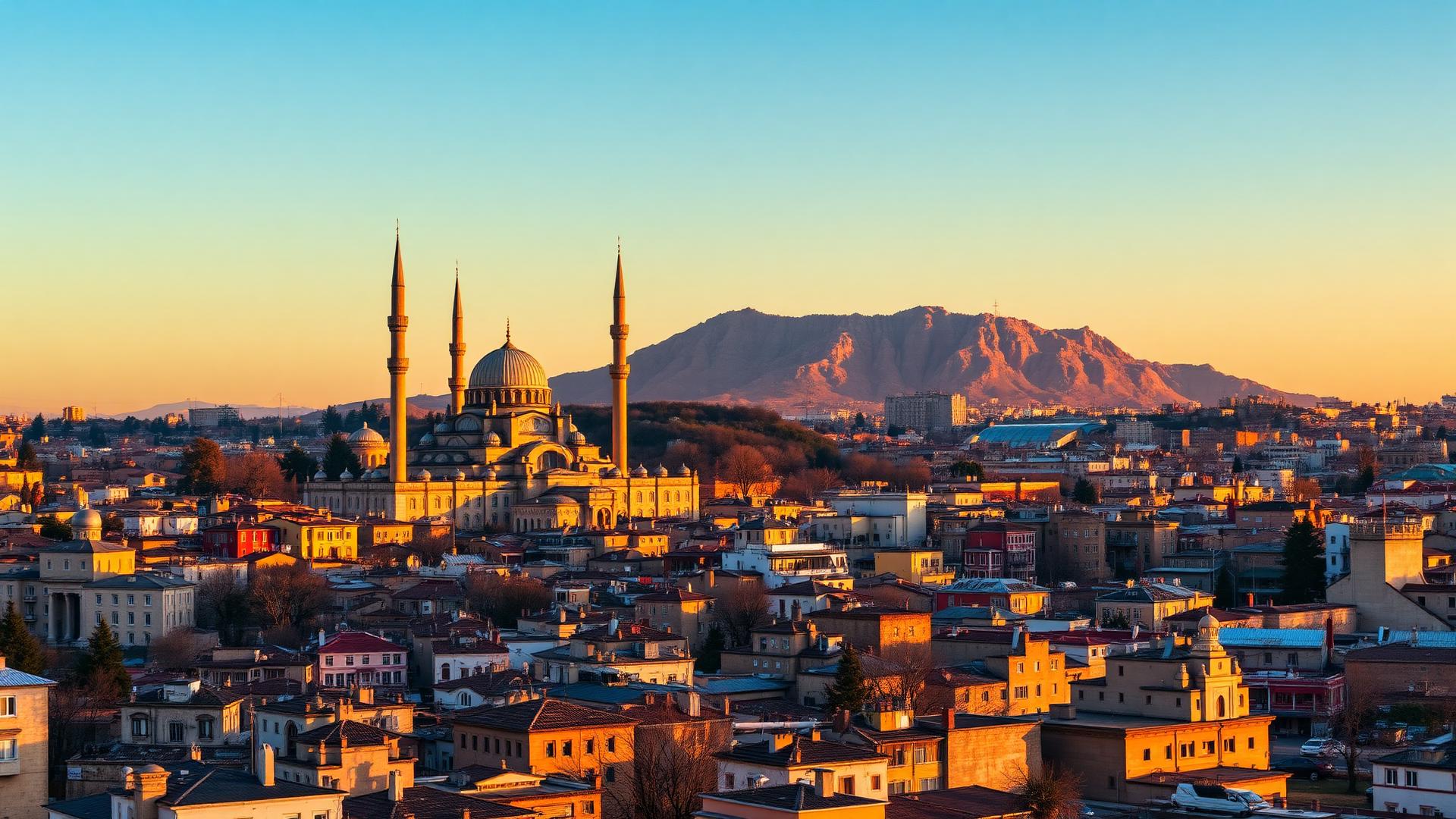
Damascus, Aleppo and Palmyra sit among the most significant heritage sites on earth.
A UNESCO World Heritage site and one of the oldest continuously inhabited cities.
A monumental medieval fortress above a historic trading quarter.
The best-preserved Crusader castle in the world.
A meeting point for diaspora enterprise, heritage producers and future reconstruction partners.
Syrian-American entrepreneurs are already active investors in food, retail and manufacturing.
Textile, furniture, glass and food-processing expertise passed through generations.
Some of the most fertile land in the Levant, with established export crops.
Reconstruction will drive materials, equipment and services demand for decades.
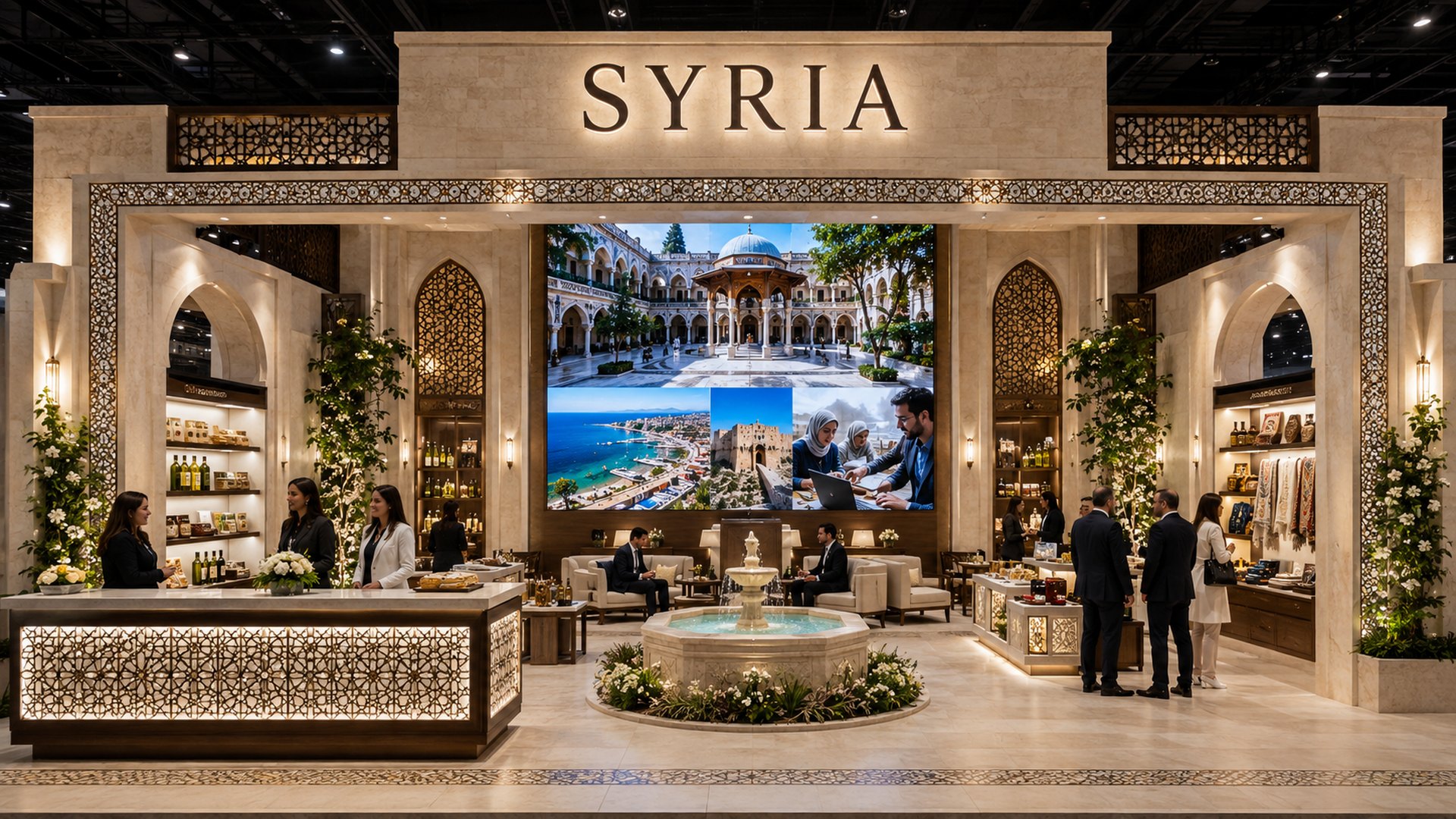
The Syria pavilion presents heritage producers, diaspora enterprises and future reconstruction opportunities.
Sites inscribed on the UNESCO World Heritage List, a core part of the country's cultural and tourism offer.
One of the oldest continuously inhabited cities in the world.
A Roman provincial capital with a black basalt theatre.
A caravan oasis city that linked Rome to Persia and India.
A citadel, souks and caravanserais at a crossroads of trade.
The finest surviving Crusader castles.
The 'Dead Cities' of late antiquity.
How companies from different markets can engage with Syria through the Expo.
Source heritage foods and textiles through diaspora importers, and prepare for future reconstruction supply.
Agricultural, food-processing and building-materials investment as conditions allow.
Long-horizon reconstruction of housing, power and water infrastructure.
Present your country's economy, industries, products, investment opportunities, tourism destinations and culture to the American and North American markets.
Reserve space in the Syrian pavilion, or register as an American buyer to meet Syrian producers and diaspora enterprises.
Last updated: August 2026