Anchor sector
Livestock & meat processing
Abattoirs, quarantine facilities and chilled export capacity to move up from live animal exports.

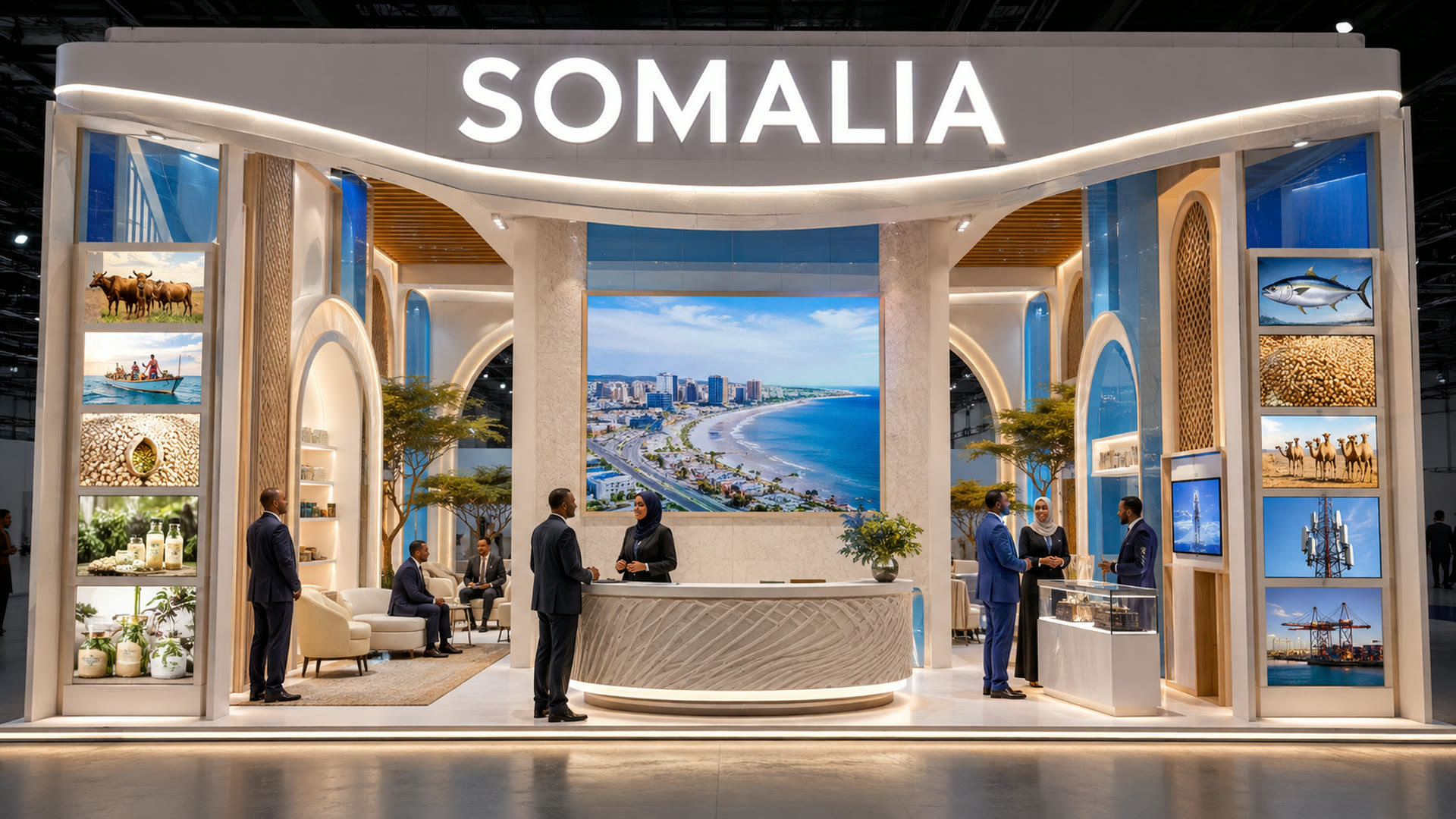
 Profile content in preparation
Africa's longest coastline, a trading nation.
The longest mainland coastline in Africa, the world's largest livestock export trade to the Gulf, and one of the most mobile-money-advanced economies on the continent.
Statistics year: 2024 (latest full-year estimates)
Somali national accounts are estimates produced with international institutions rather than complete audited statistics.
Somalia exports millions of live animals a year to Gulf markets, one of the largest livestock trades in the world and the backbone of rural livelihoods.
Its 3,300 km Indian Ocean and Gulf of Aden coastline holds substantial and largely under-exploited fisheries, alongside ports at Mogadishu, Bosaso and Berbera that serve Somalia and the Ethiopian hinterland.
The economy is unusually cash-light: mobile money is used for the majority of transactions, and diaspora remittances are a defining source of household income and business capital.
Somalia's economy is driven by pastoral exports, port trade, telecoms and remittance-funded consumption.
Longest in mainland Africa
Mainly to Saudi Arabia and the Gulf
Among the highest rates in Africa
A very young population
Where Somali businesses and federal institutions seek investment, equipment and expertise.
Abattoirs, quarantine facilities and chilled export capacity to move up from live animal exports.
Tuna and demersal stocks along one of Africa's longest coastlines, with minimal domestic processing capacity.
Highly developed mobile money platforms seeking interoperability, banking integration and international payment rails.
Off-grid and hybrid solar generation replacing expensive diesel across cities and towns.
Terminal concessions and handling equipment at Mogadishu, Bosaso and Kismayo.
Diaspora-financed housing, hotels and commercial building in the main cities.
Somalia's development plan prioritises economic institutions, infrastructure, livestock and fisheries value chains, and access to international finance.
A new federal constitution and government structure adopted.
A regulatory framework introduced for the country's dominant payment channel.
Somalia reaches the HIPC completion point, restoring access to concessional finance.
Expanded export processing, reliable power and functioning financial institutions.
Programmes that unlock Somalia's export and service potential.
Terminal upgrades and equipment at Mogadishu and regional ports to raise throughput.
Quarantine stations, abattoirs and cold chain serving Gulf demand.
Landing sites, ice plants and processing to convert catch into export value.
Replacing diesel generation with lower-cost solar hybrids in urban grids.
Somalia's export trade is overwhelmingly with the Gulf, while its American commercial links run largely through one of the largest Somali diaspora communities in the world.
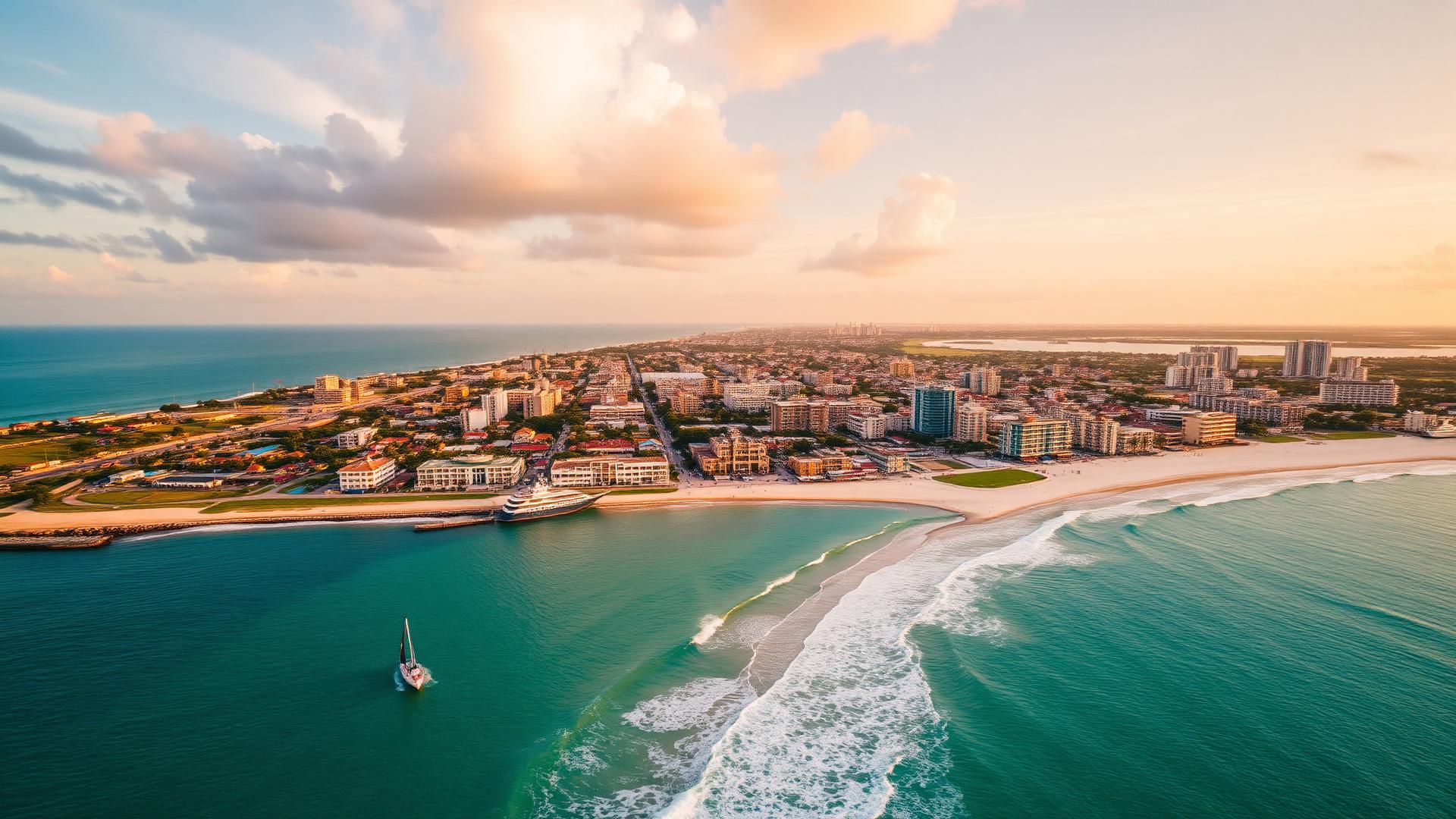
Verified full-year bilateral merchandise trade between Somalia and the United States, reported from Somalia's perspective.
Latest verified data available
Recorded bilateral goods trade is small, with American food and equipment exports outweighing Somali shipments of aromatic gums, hides and agricultural products.
Latest verified data available; statistical reporting is incomplete. These figures represent merchandise trade only and do not include services.
Statistical year: 2024
Long white beaches, historic Swahili-coast ports and interior rock art.
Lido beach, the old port and Italian-era architecture.
Some of the best-preserved Neolithic rock art in Africa.
Beaches and a historic trading port on the Gulf of Aden.
A historic Swahili-coast town with coral-stone architecture.
A young, trade-oriented population with strong diaspora capital and an open commercial culture.
Private business has driven telecoms, aviation and trade with minimal state involvement.
Remittances and diaspora investment fund a large share of construction and new enterprise.
Africa's longest mainland coastline with substantially under-exploited stocks.
Mobile money penetration among the highest in the world, easing transaction costs.
The Somalia pavilion connects Somali businesses and the large Somali-American community with trade partners.
How companies from different markets can engage with Somalia through the Expo.
Partner with Somali-American entrepreneurs on trade, telecoms and food supply, or supply equipment for ports, energy and processing.
Secure livestock and meat supply chains for Gulf food security and invest in port and logistics capacity.
Fisheries processing, renewable power and telecom infrastructure with development-finance support.
Present your country's economy, industries, products, investment opportunities, tourism destinations and culture to the American and North American markets.
Reserve space in the Somali pavilion, or register as an American company to meet Somali exporters and diaspora enterprises.
Last updated: August 2026