Anchor sector
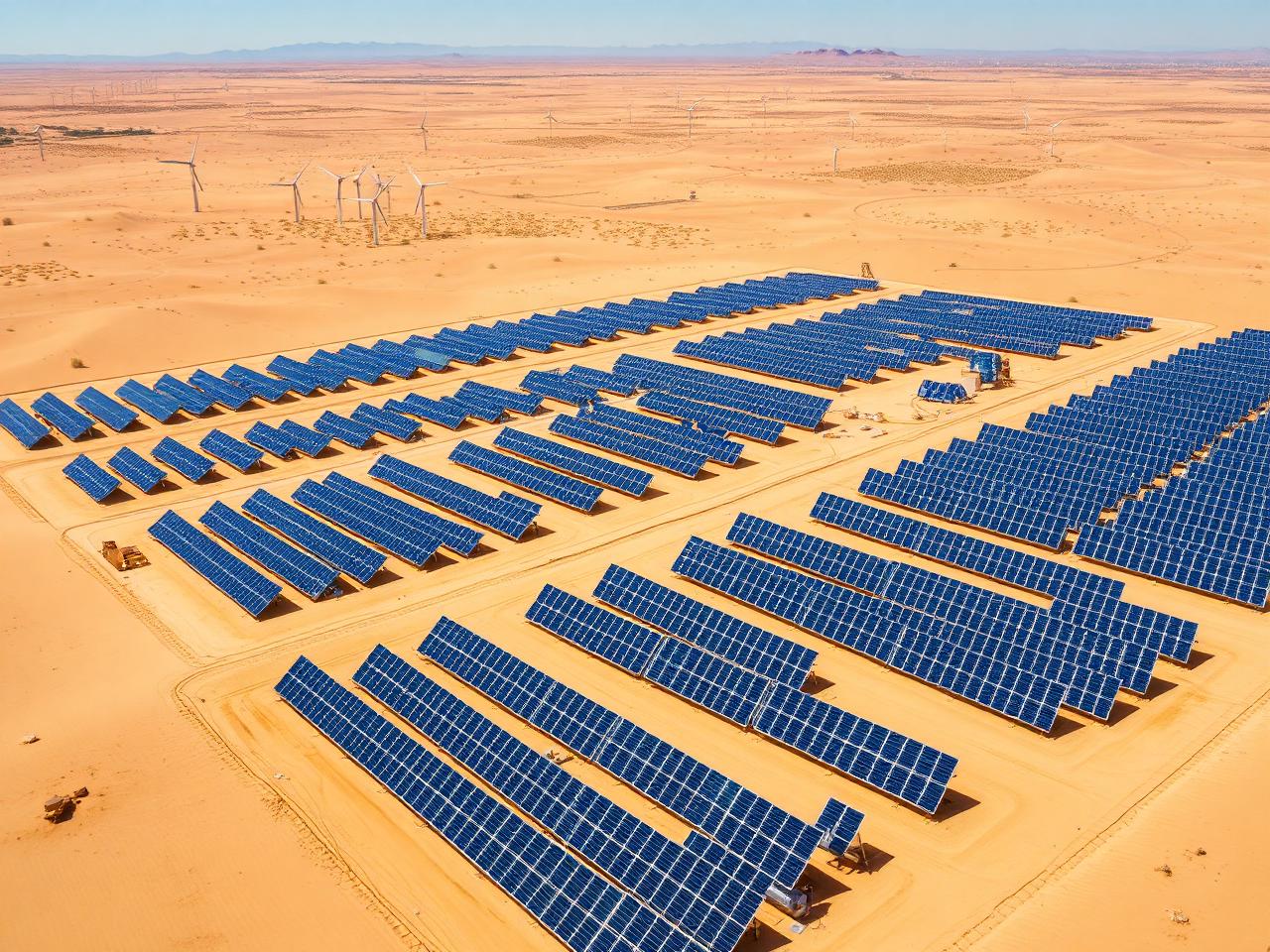
Energy & renewables
The world's largest oil exporter is now building one of the world's largest solar, wind and green-hydrogen portfolios, with major grid and storage investment.
 Verified profile
Where heritage meets the future.
The largest economy in the Middle East and the engine of one of the most ambitious national transformations in modern history.
Statistics year: 2024 (latest full-year data)
Saudi Arabia sits at the crossroads of three continents, connecting the Red Sea and the Arabian Gulf, and anchoring the Arab world's largest economy. It is the biggest market in the Gulf, the largest exporter of crude oil, and a founding member of the G20.
Under Vision 2030 the Kingdom is diversifying at extraordinary speed — expanding manufacturing, logistics, tourism, technology, entertainment, healthcare and renewable energy, and opening its market to international partners, investors and suppliers.
For American companies, Saudi Arabia is both a high-value export destination and a gateway to the wider Gulf and MENA region of more than 400 million consumers.
The Kingdom combines the region's deepest capital markets with a sovereign investment program deploying hundreds of billions of dollars into new industries.
Largest economy in MENA
Targeting $2T by 2030
A young, digital-first consumer base
Announced project value
These are the sectors where Saudi buyers, distributors and joint-venture partners are actively seeking international suppliers and technology.
The world's largest oil exporter is now building one of the world's largest solar, wind and green-hydrogen portfolios, with major grid and storage investment.
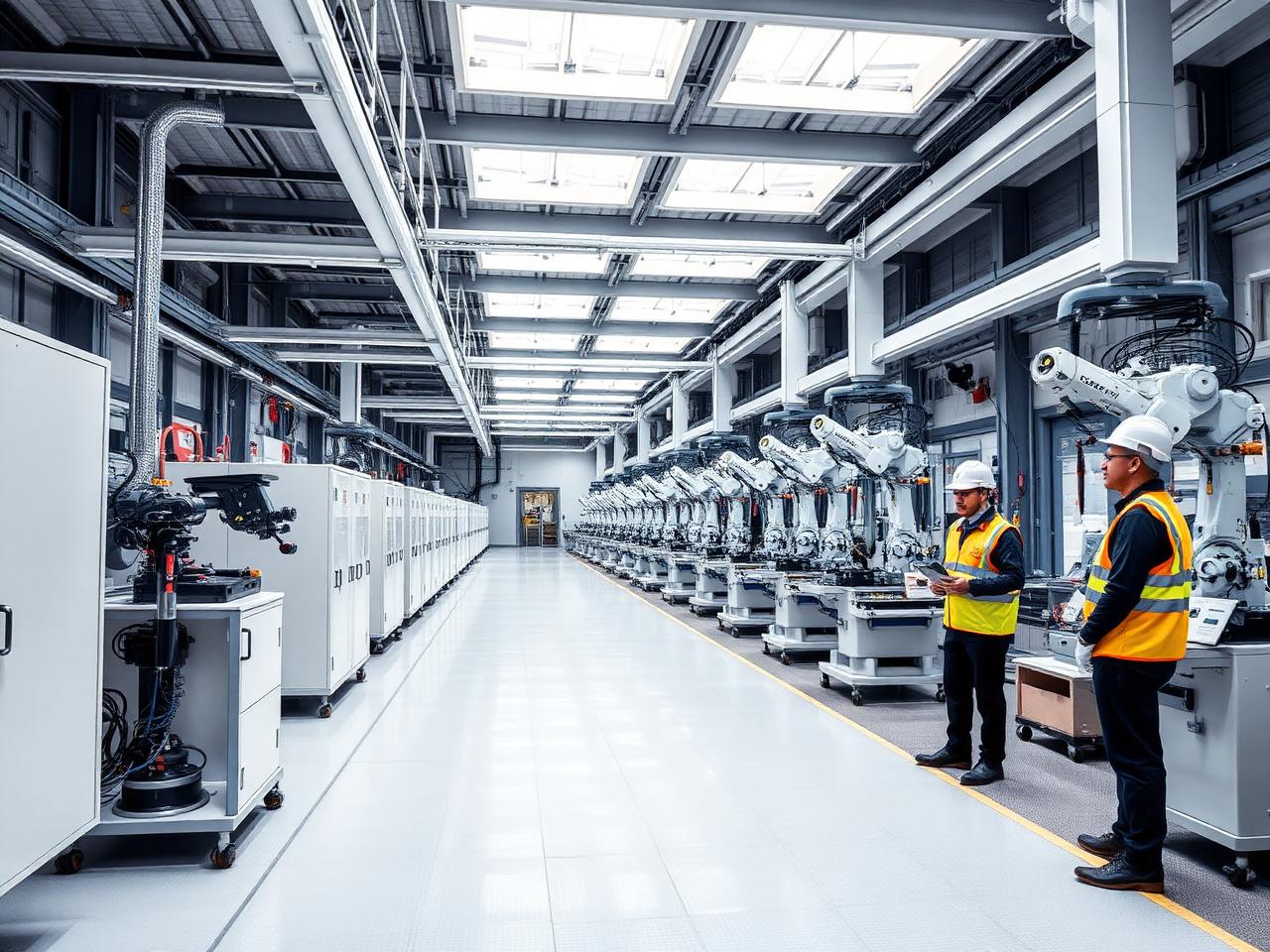
Localization programs favor partners who manufacture, license or transfer technology inside the Kingdom — from automotive to food processing.
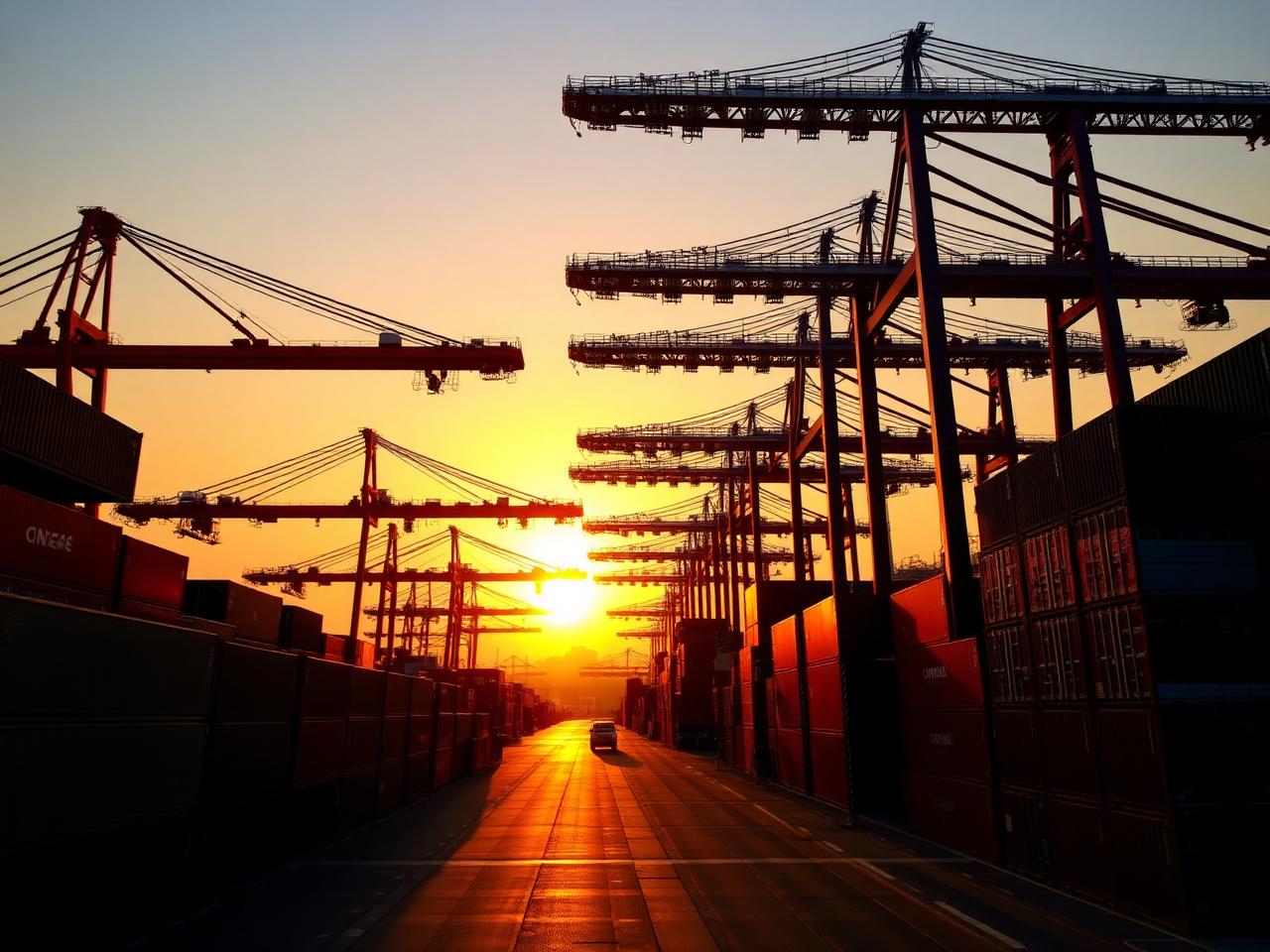
A national strategy to become a global logistics hub: new ports, rail, air cargo capacity and bonded industrial zones.

Rapid enterprise cloud adoption, national AI programs, cybersecurity, smart cities and fintech licensing.
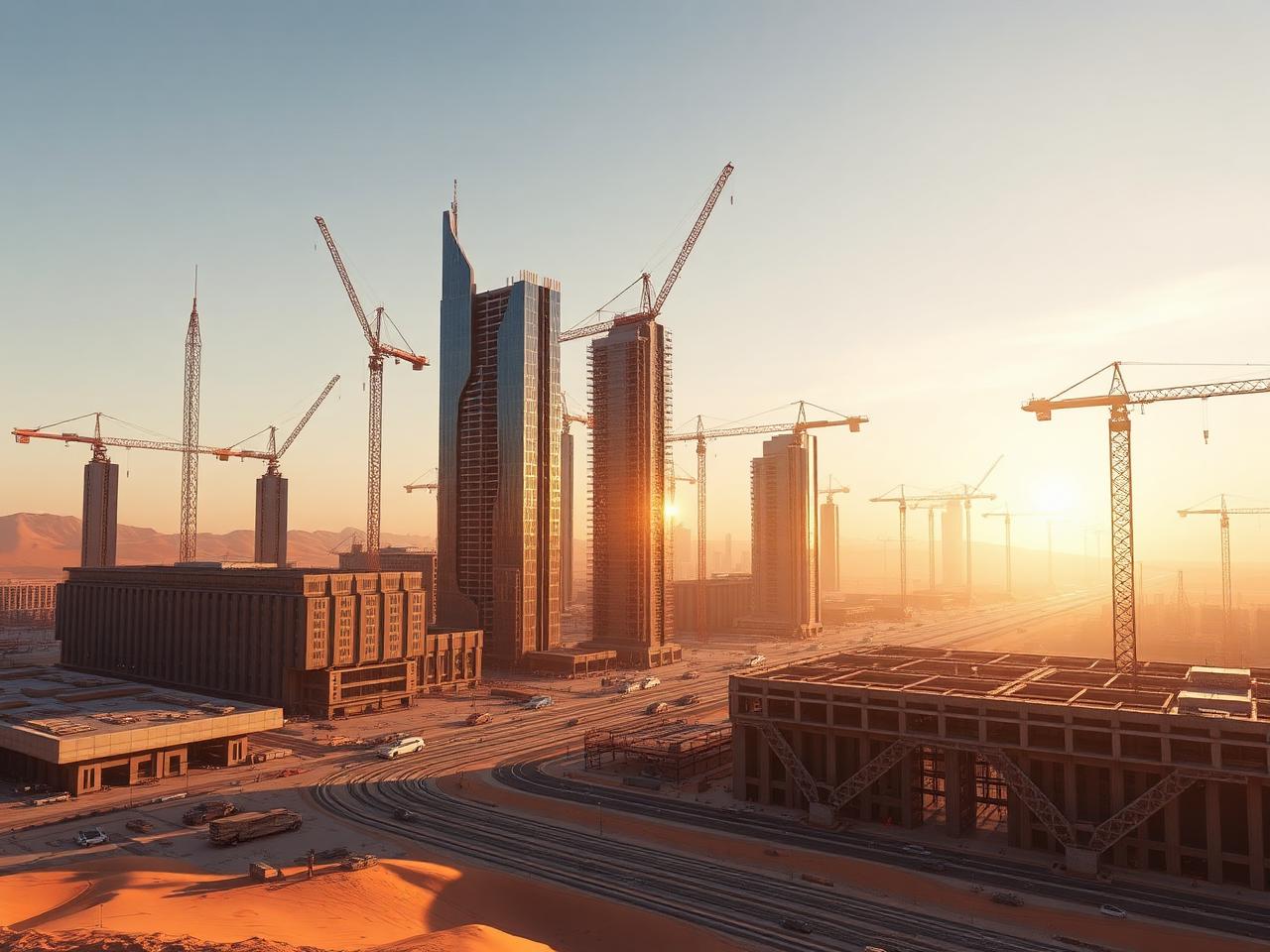
NEOM, The Line, Qiddiya, Diriyah Gate, Red Sea Global and the Roshn housing program — building materials, systems and services at scale.
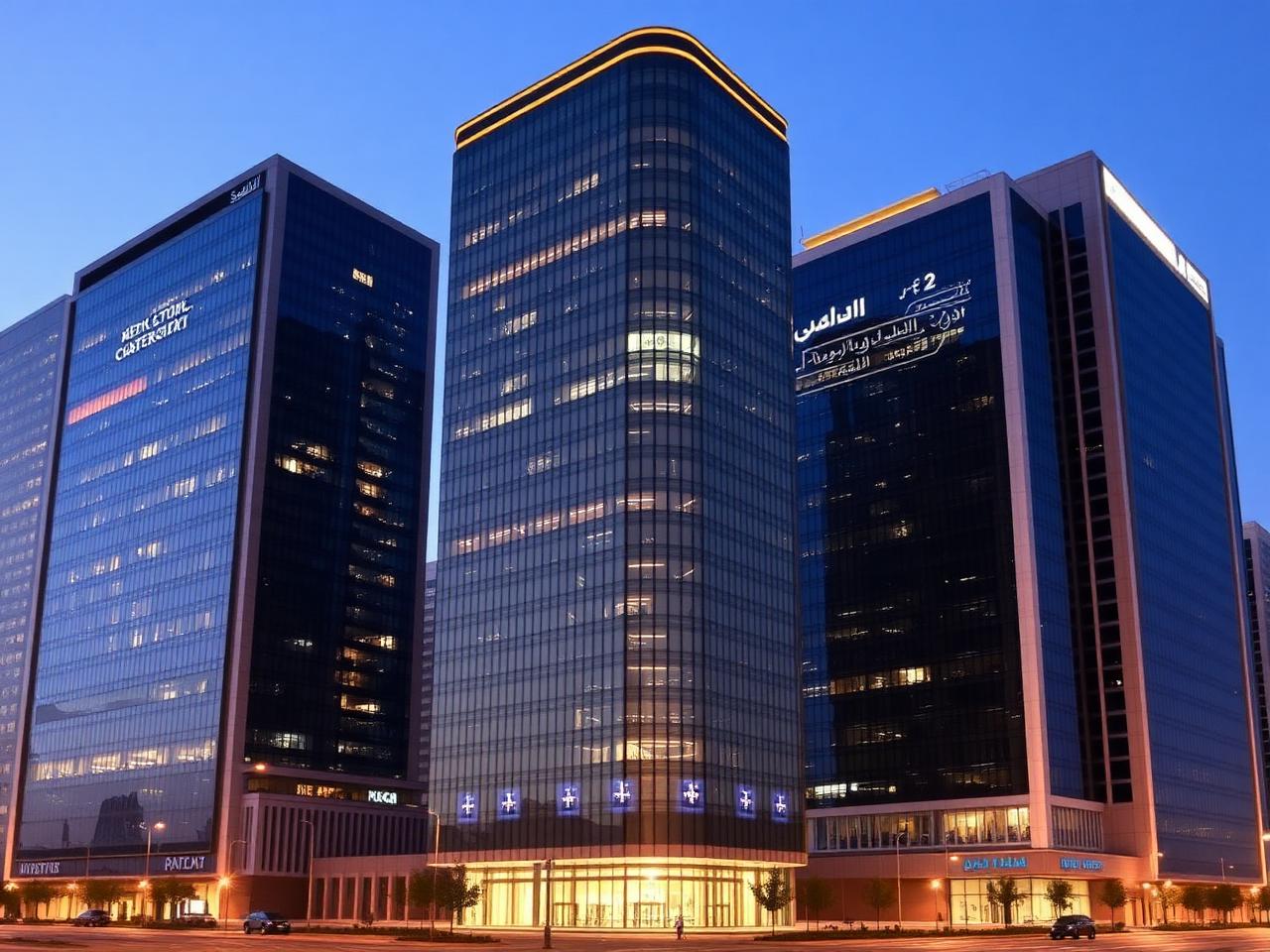
Regional headquarters incentives are pulling global firms into Riyadh, driving demand for consulting, legal, engineering and training services.
Vision 2030 is not a slogan — it is a delivery program with measurable national targets across the economy, society and environment.
A national blueprint to diversify beyond oil, grow the private sector and open the country to the world.
The Kingdom opens to international leisure visitors for the first time, launching a new sector from scratch.
Incentives introduced for multinationals to base their Middle East headquarters in Riyadh.
Thousands of new factories licensed as localization and supply-chain resilience become national priorities.
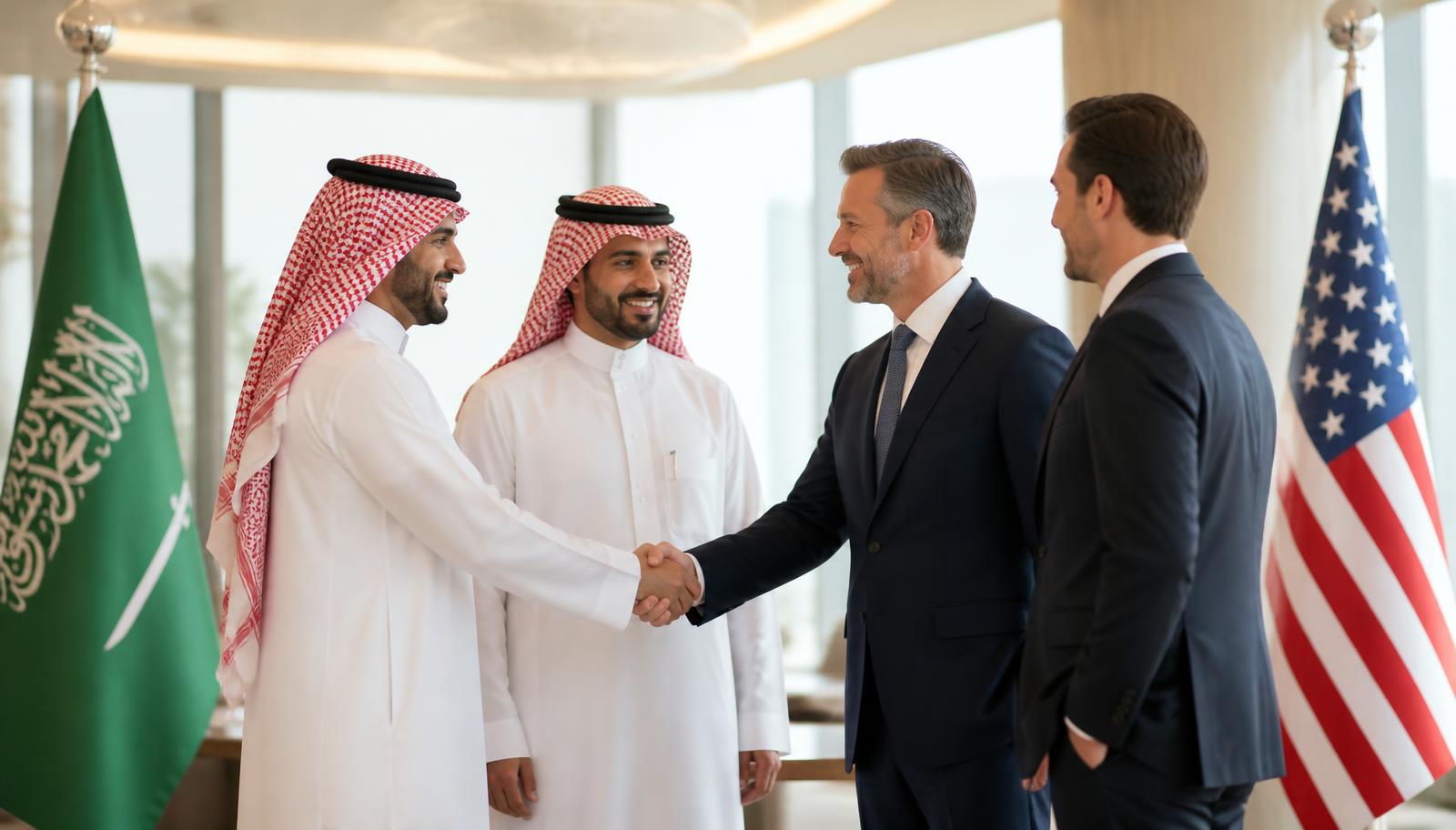
Saudi companies meet American partners in Washington, D.C. — trade, investment, tourism and technology in one hall.
Non-oil GDP share, foreign investment, tourism arrivals and renewable capacity targets come due.
A pipeline of national projects creating direct demand for equipment, building systems, technology and professional services.
A new region in the northwest with a linear city, industrial port at Oxagon and a mountain tourism destination at Trojena.
An entertainment, sports and culture city outside Riyadh with theme parks, arenas and motorsport venues.
Restoration of the Kingdom's founding city into a mixed-use cultural district built in traditional Najdi style.
Regenerative luxury tourism across islands and coastline, powered largely by renewable energy.
National-scale residential communities driving demand for materials, MEP systems and smart-home technology.
Land-bridge rail, port expansion and bonded logistics zones connecting the Red Sea to the Arabian Gulf.
The United States and Saudi Arabia maintain deep commercial ties across energy, defense, aviation, healthcare, technology and consumer goods — with room to grow in mid-market and SME trade.
Verified full-year bilateral merchandise trade between Saudi Arabia and the United States, reported from Saudi Arabia's perspective.
Saudi Arabia is the United States' largest goods trading partner in the Gulf, with two-way trade close to balance: American aerospace, machinery and vehicle exports are matched by Saudi energy, chemical and metals shipments. Vision 2030 localization and giga-project procurement continue to expand demand for US capital goods and services.
These figures represent merchandise trade only and do not include services.
Statistical year: 2024
From UNESCO desert cities to Red Sea reefs and mountain highlands, the Kingdom is investing heavily in hospitality, aviation and destination development.
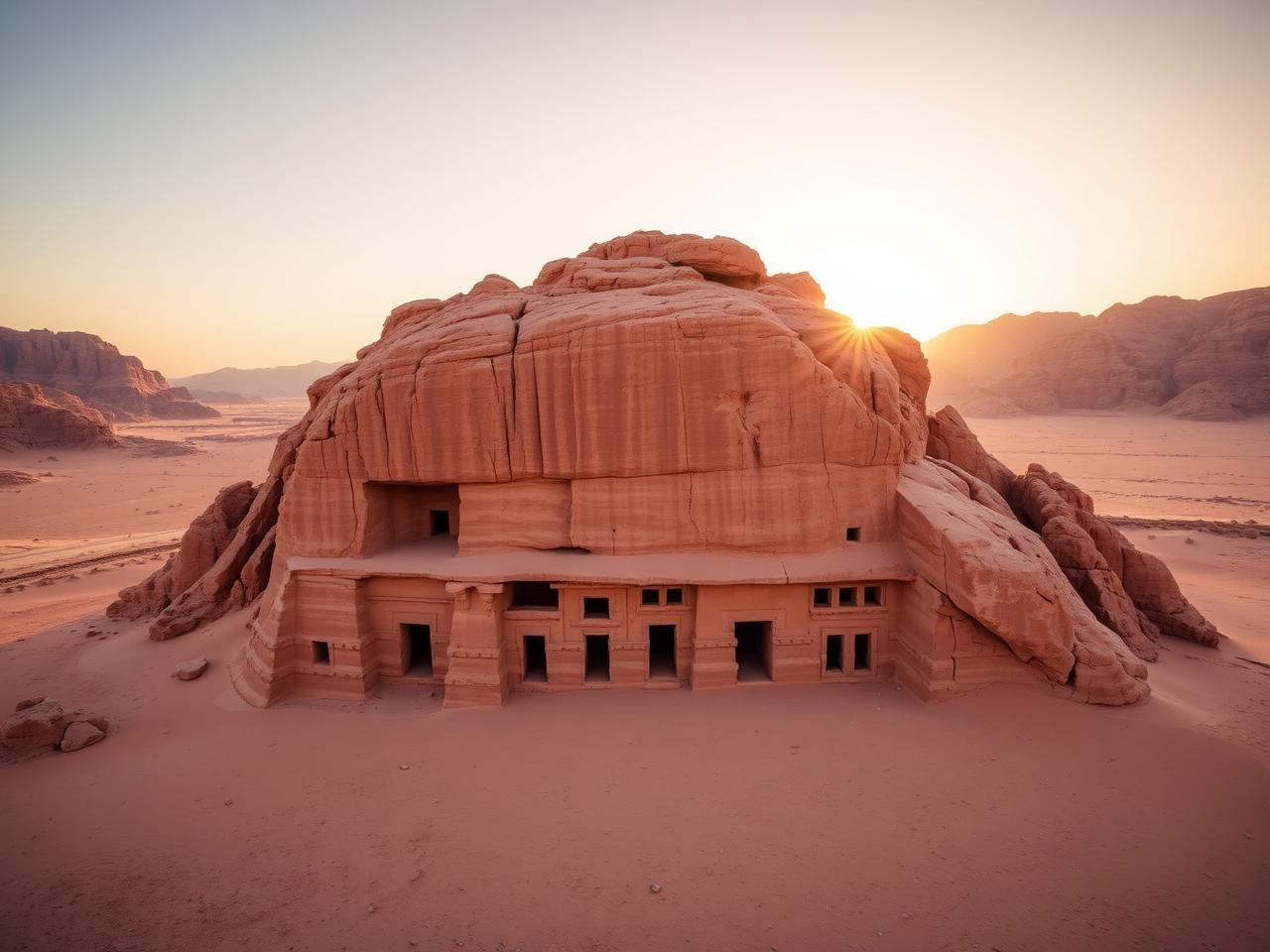
Hegra's Nabataean tombs carved into sandstone — a UNESCO World Heritage site and flagship cultural destination.
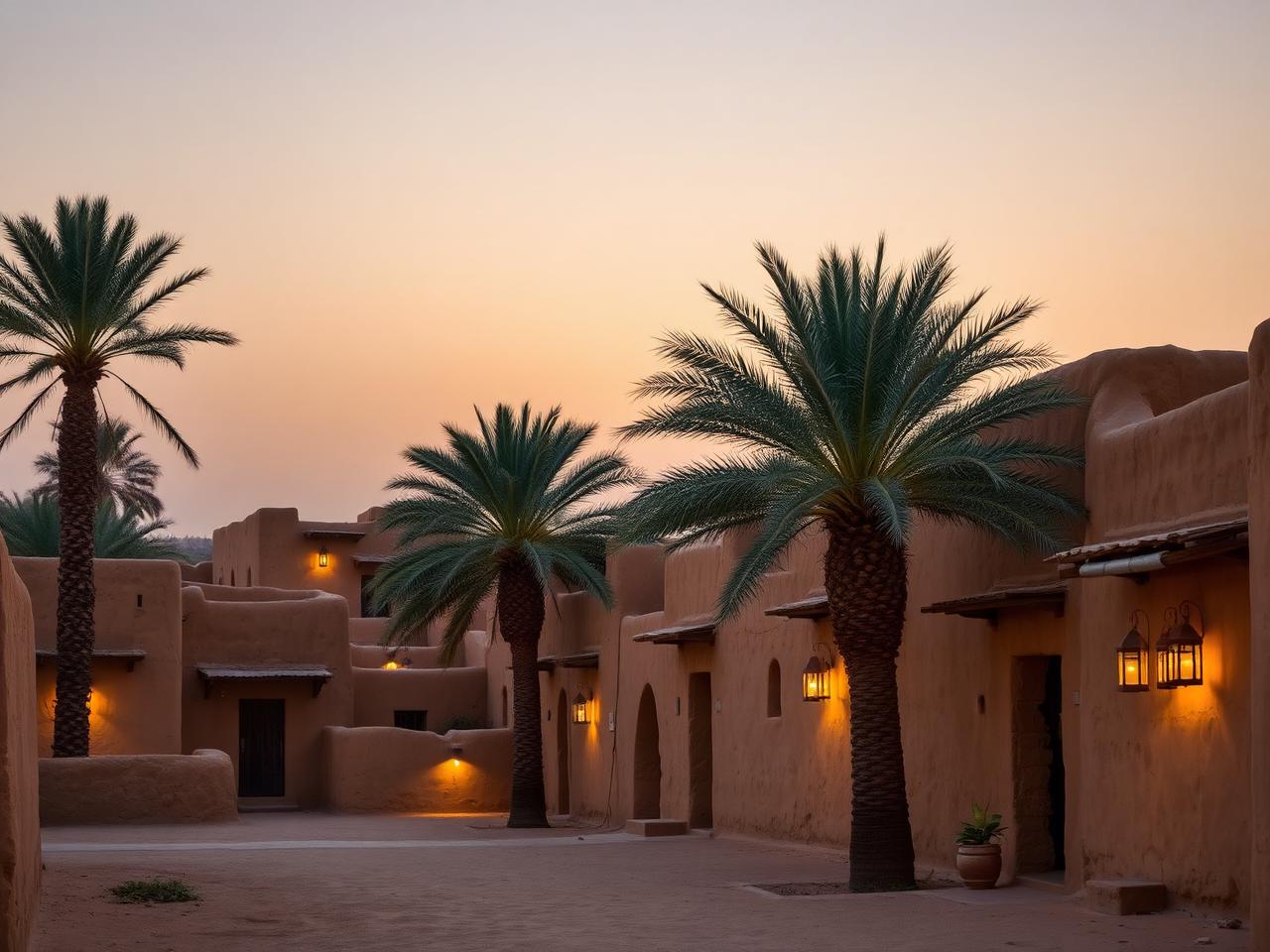
The mud-brick birthplace of the Saudi state, being restored as a global cultural and hospitality district.
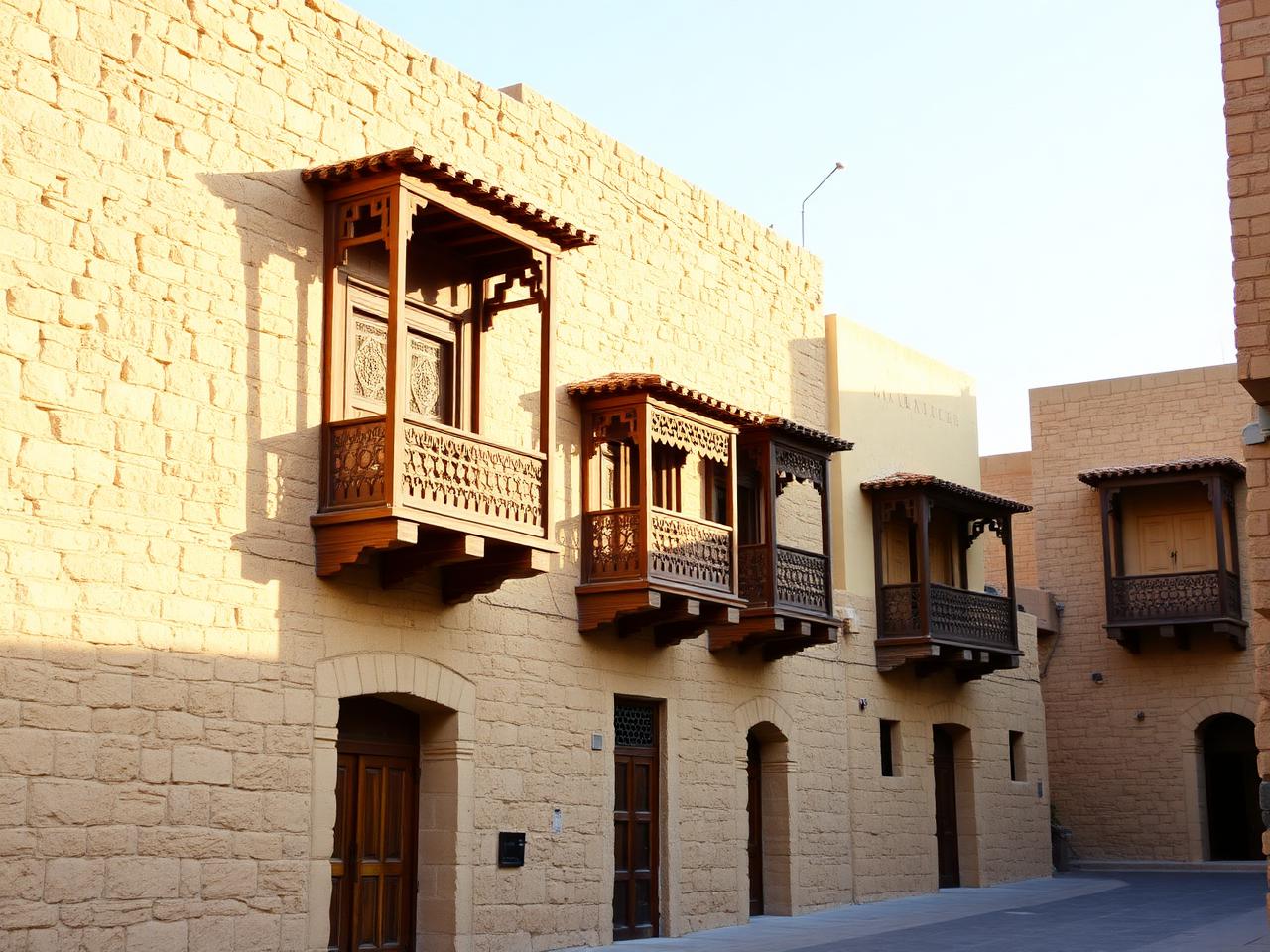
Al-Balad's coral-stone merchant houses and wooden roshan balconies, gateway to the Red Sea.
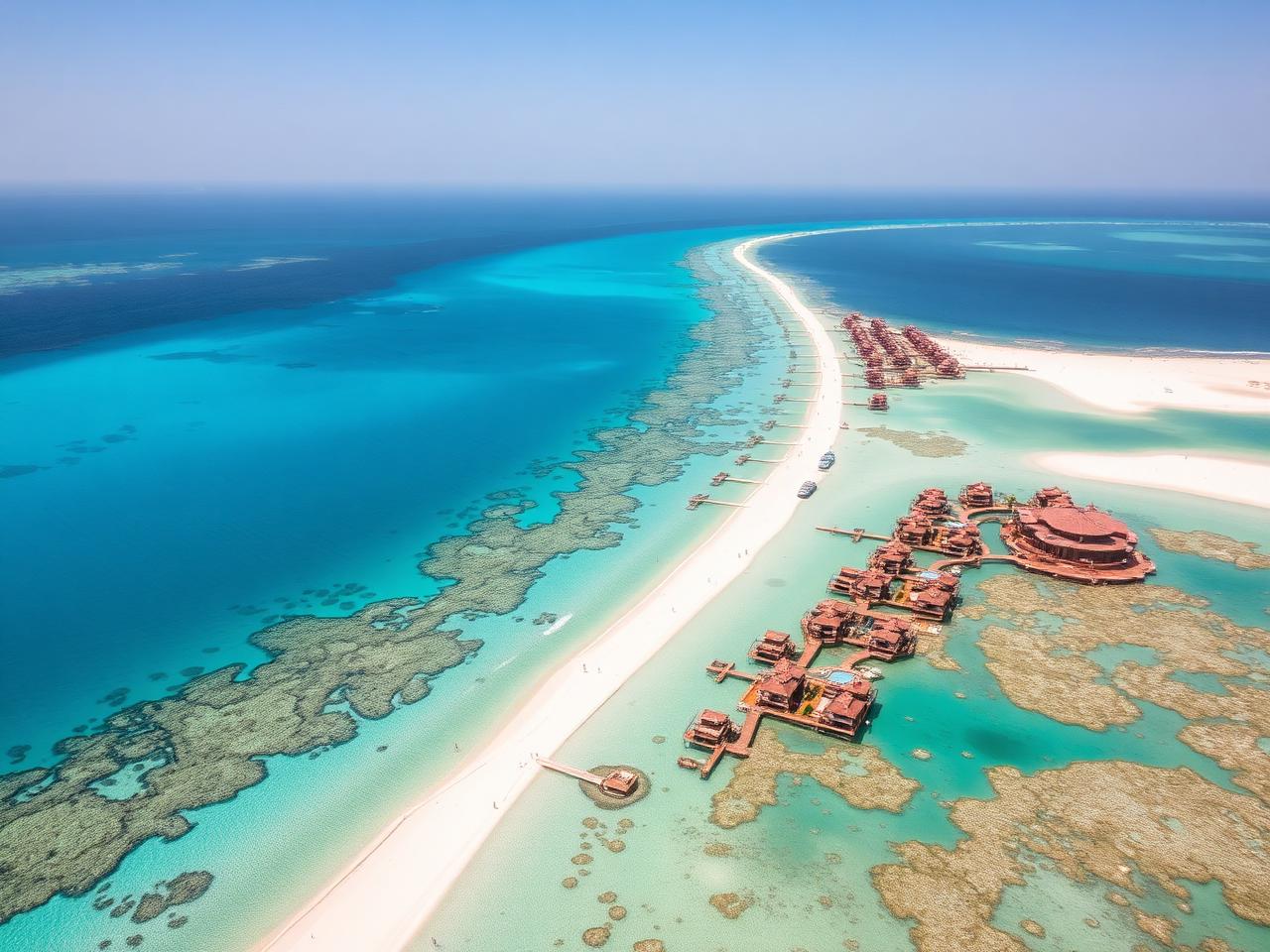
Untouched islands, reefs and luxury regenerative-tourism resorts on a 1,800 km coastline.
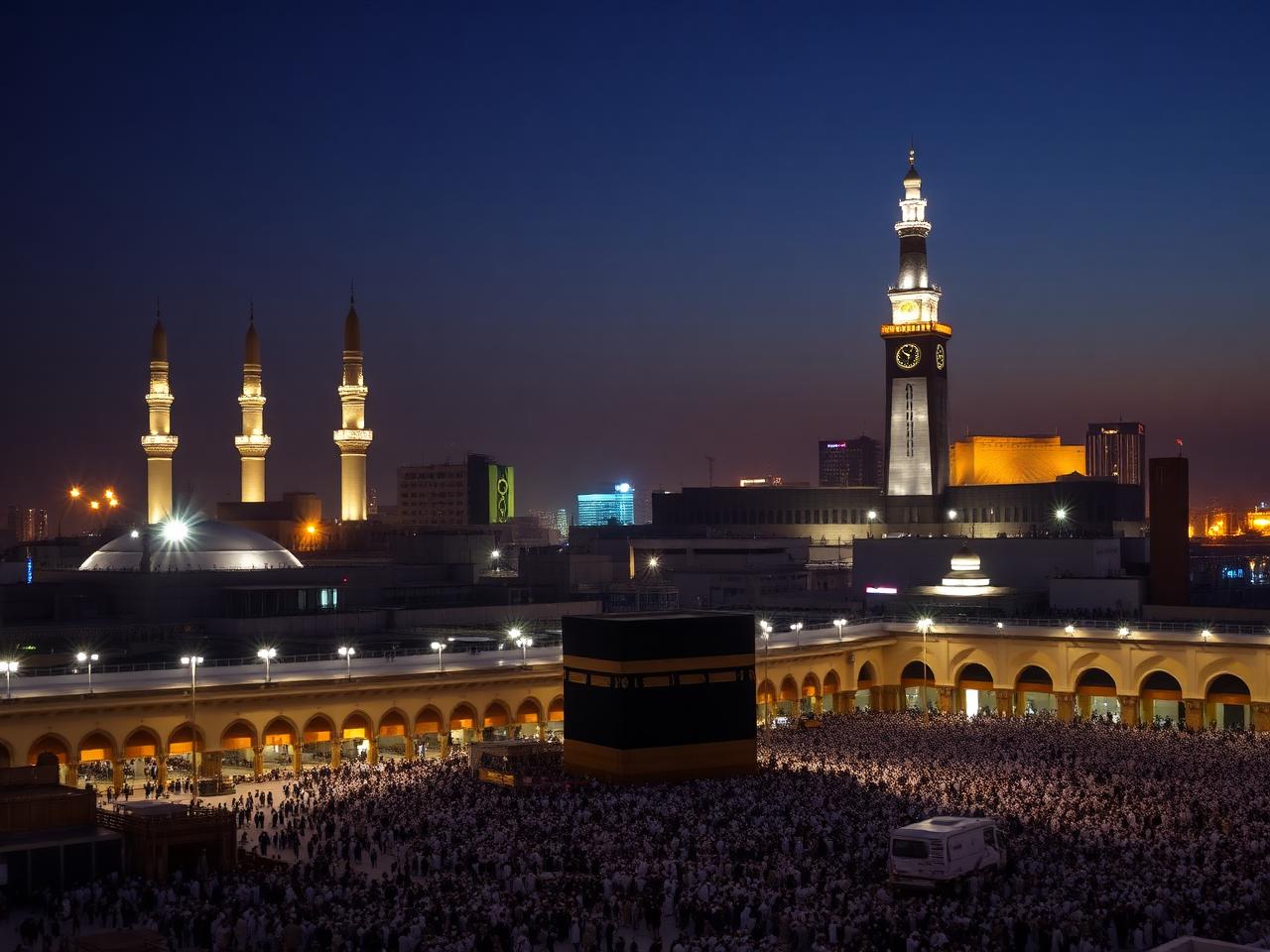
The two holy cities, hosting tens of millions of pilgrims annually and driving vast hospitality demand.
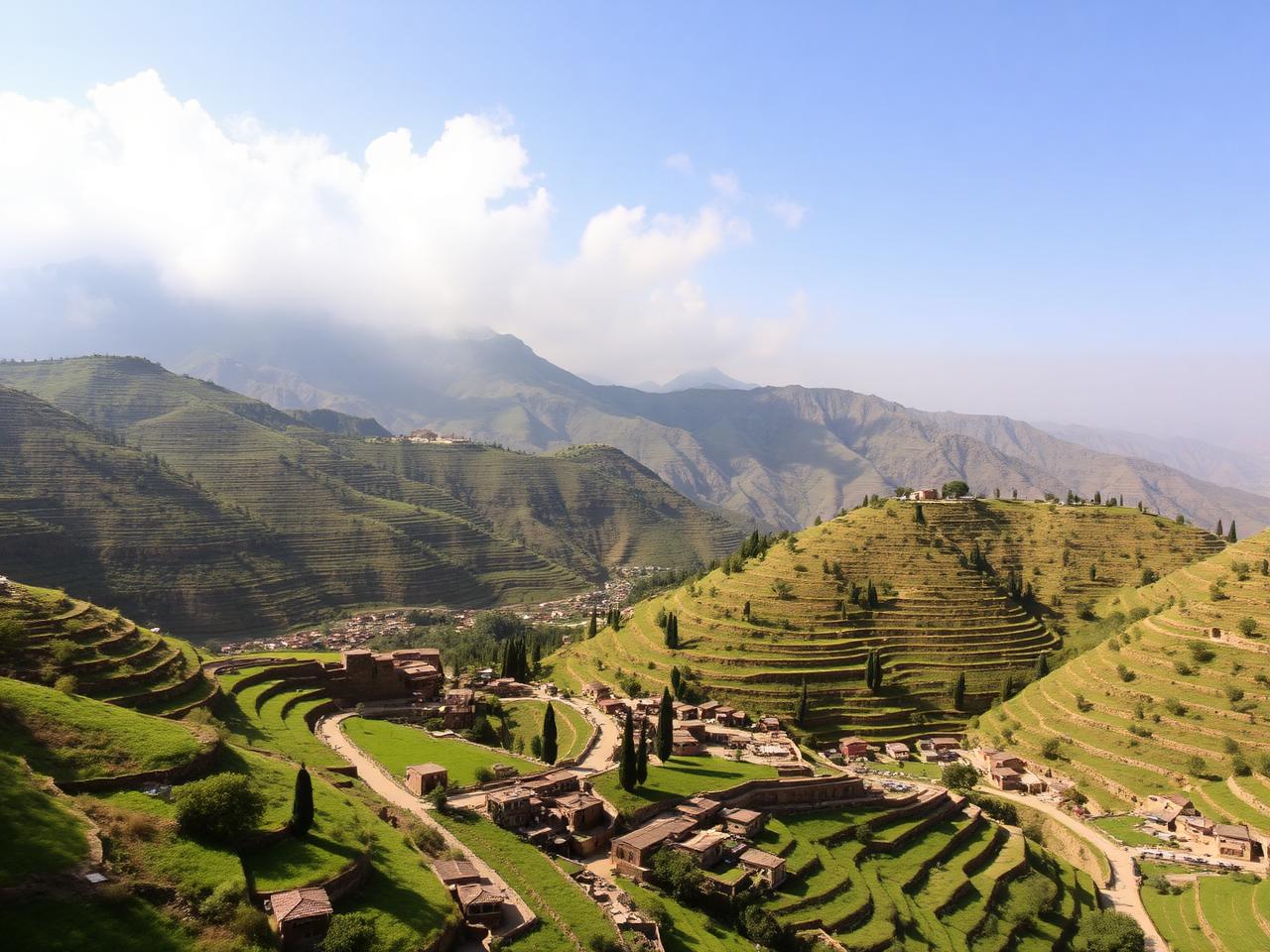
Cool green mountains, terraced villages and heritage architecture above the Red Sea escarpment.
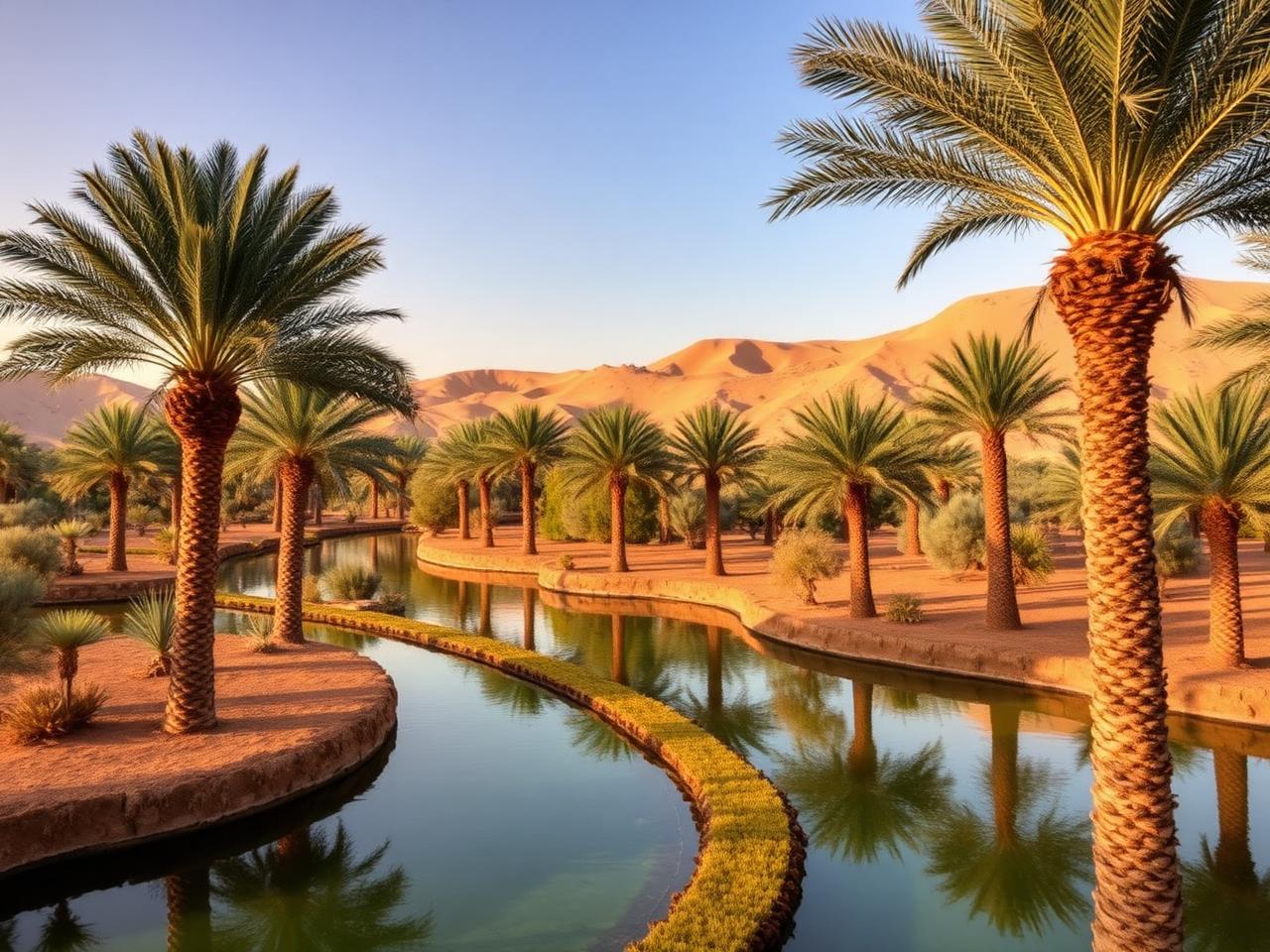
The world's largest self-contained oasis — millions of date palms, springs and UNESCO heritage.
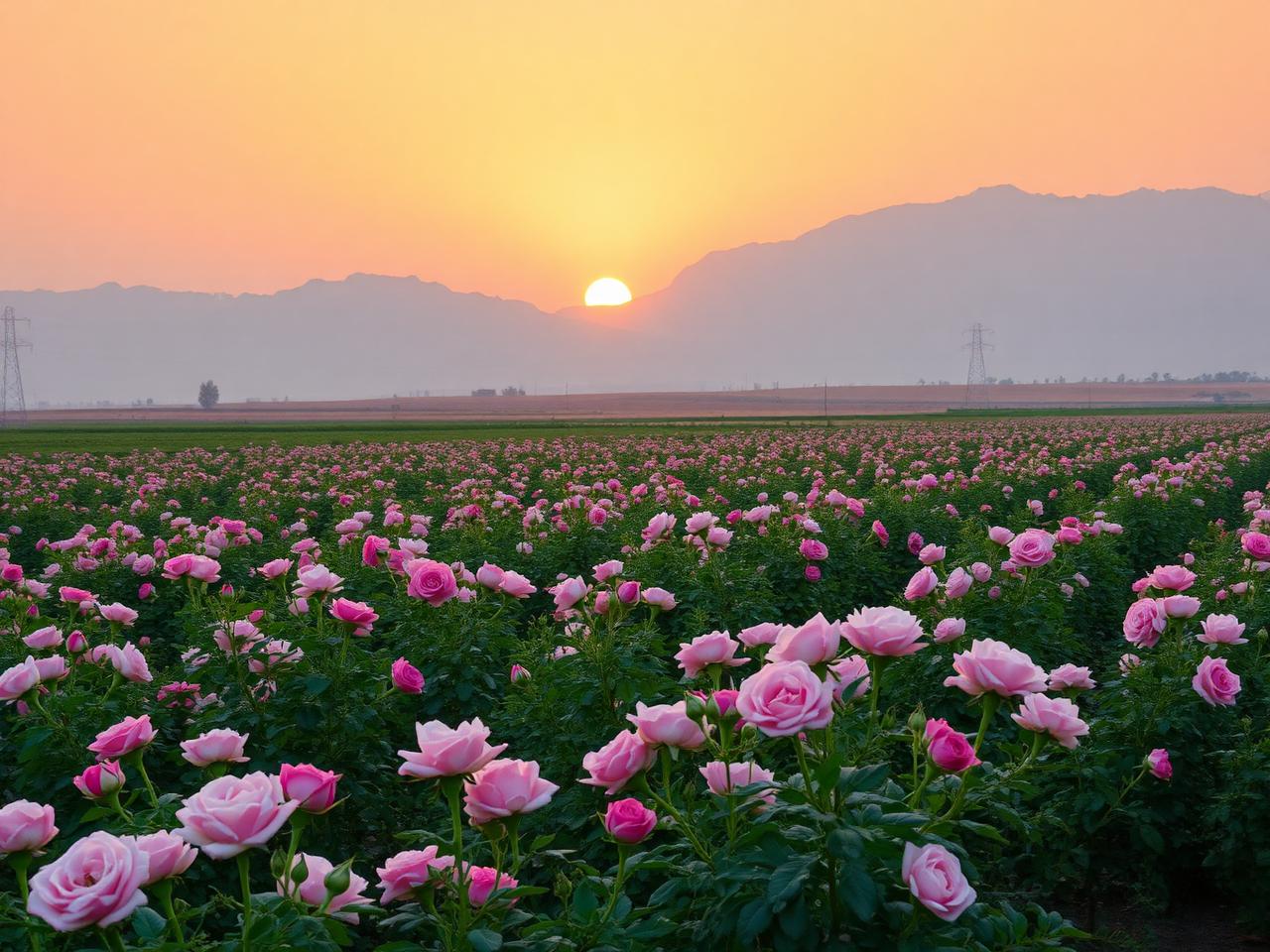
The city of roses — mountain orchards and the fragrance industry built around damask rose harvests.
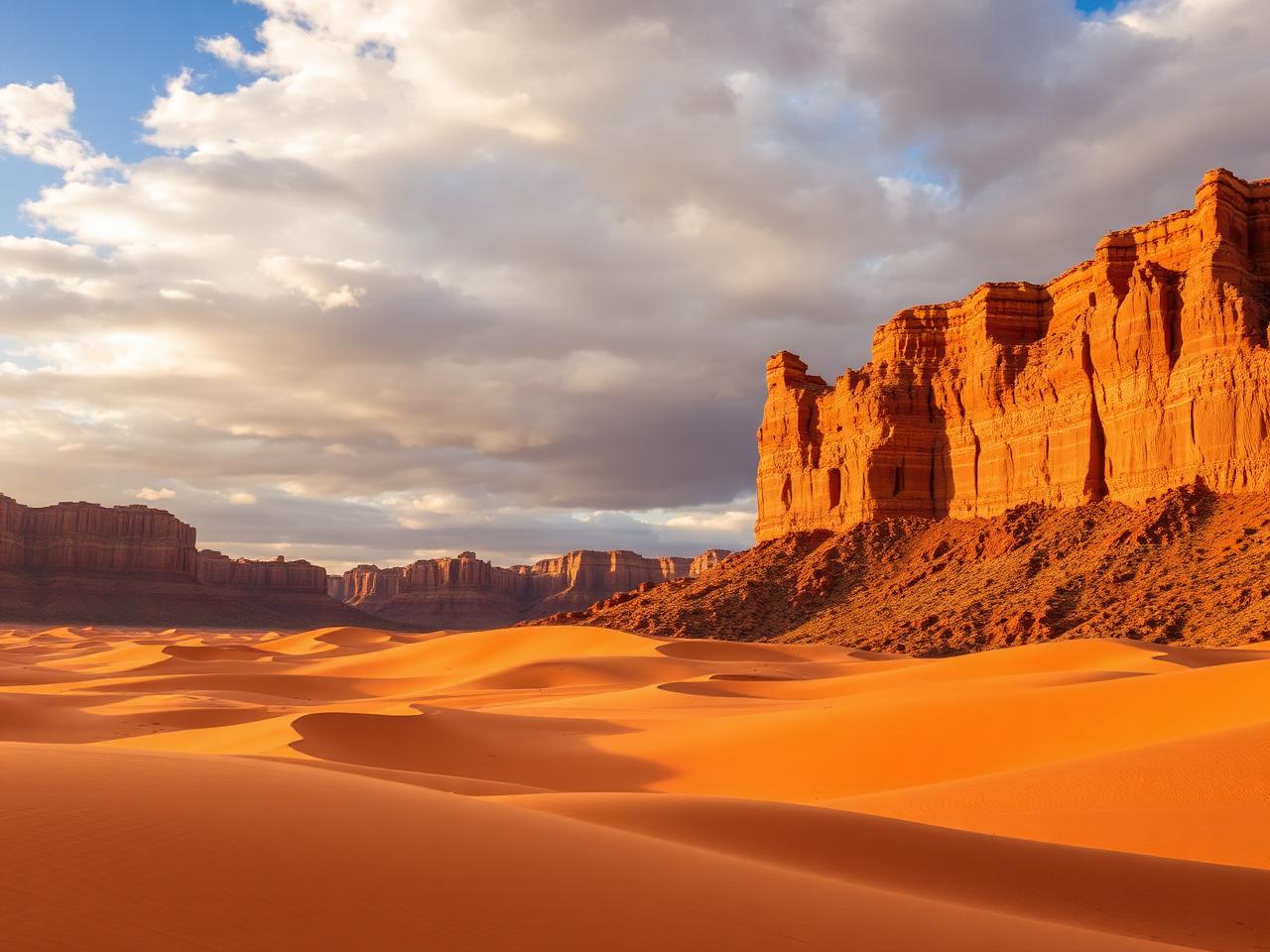
Red dunes, sandstone cliffs and ancient rock art at the edge of the Great Nefud desert.
Market size, sovereign capital, and a government mandate to partner with international companies.
34 million consumers with high purchasing power, and duty-free access across the GCC customs union.
PIF and its portfolio companies co-invest with foreign partners rather than competing against them.
Between Europe, Africa and Asia, with Red Sea and Gulf ports on both sides of the peninsula.
One of the world's highest rates of smartphone and social-media penetration among a majority-young population.
Full foreign ownership in most sectors, with fast-track licensing for qualified investors.
A dollar-pegged currency, deep foreign reserves and a published national delivery plan through 2030.
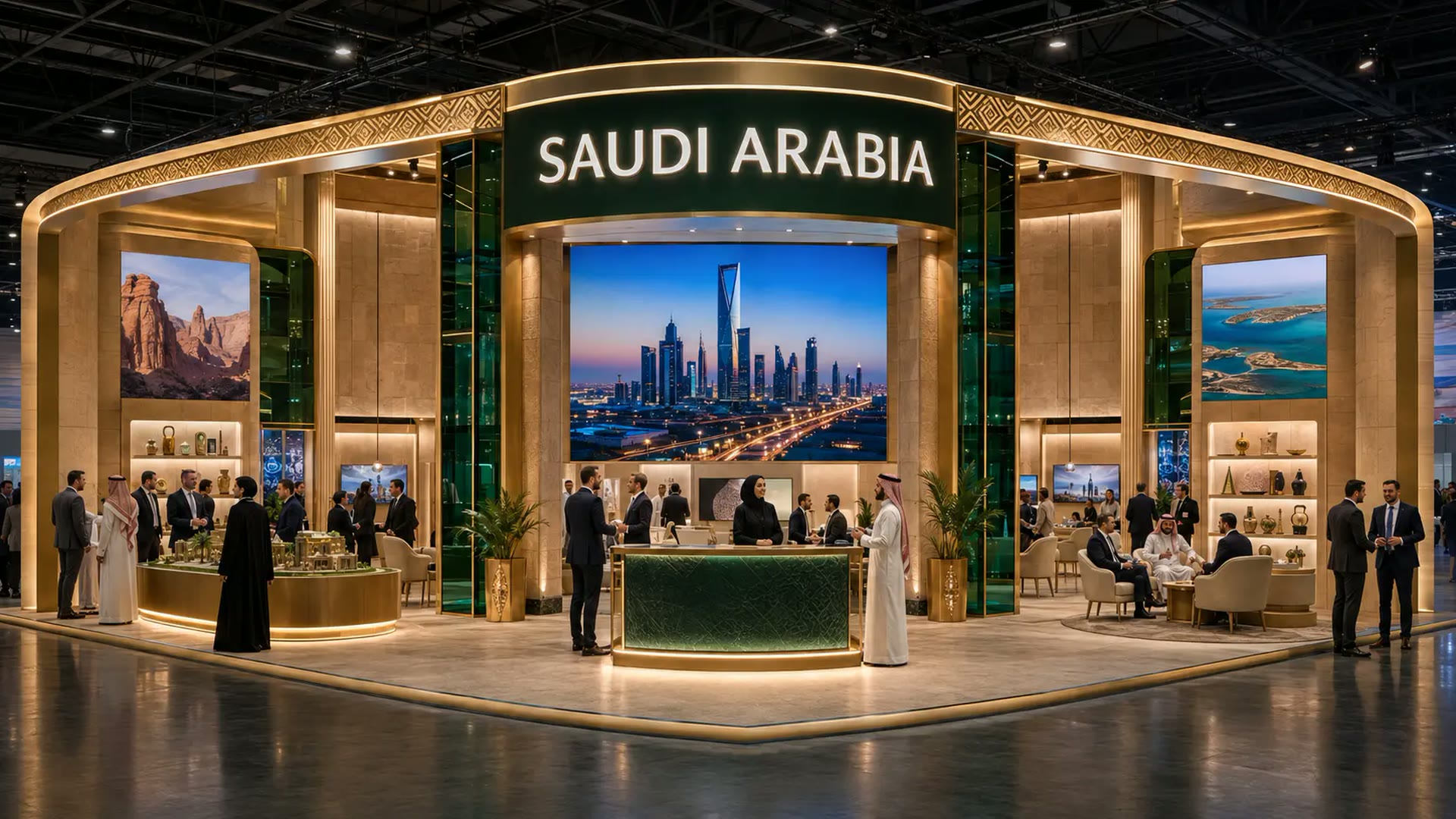
The Saudi pavilion in Washington, D.C. will bring manufacturers, exporters, investment authorities, tourism bodies and technology firms into direct contact with American buyers and partners.
Sites inscribed on the UNESCO World Heritage List, a core part of the country's cultural and tourism offer.
The Red Sea port's coral-stone merchant houses and the historic gateway to Makkah.
The mud-brick birthplace of the first Saudi state, now a major cultural district.
Monumental Nabataean tombs carved into sandstone outcrops near AlUla.
Thousands of years of petroglyphs at Jubbah and Shuwaymis.
The largest oasis in the world, with millions of date palms and historic irrigation.
Ancient wells and one of the largest rock-art complexes on the Arabian Peninsula.
How companies from different markets can engage with Saudi Arabia through the Expo.
Supply technology, equipment and services to giga-projects, energy transition and industrial localisation programmes, or license and manufacture inside the Kingdom.
Joint ventures in construction, logistics, food and retail serving the largest consumer market in the Gulf.
PIF co-investment, giga-project concessions, tourism assets and renewable-energy IPPs at very large ticket sizes.
Present your country's economy, industries, products, investment opportunities, tourism destinations and culture to the American and North American markets.
Reserve a booth in the Saudi pavilion, or register as an American buyer to meet Saudi suppliers, investors and partners face to face.
Last updated: August 2026